Makhana Exporter in India
Blog


Durgabha ITI College Village Dhakjari, Post Bharouli Dhakjari, Thana Sonbarsha, Kachahri Saharsha, Bihar-852202
+91 9661 82 3537
help@naturetohomeagro.com


Blog

A practical breakdown of what it actually takes to export Makhana from India — documentation, compliance, packaging, and common first-time buyer mistakes — with a look at how Nature to Home Agro Private Limited manages export from its Bihar base through offices in Thailand and UAE.
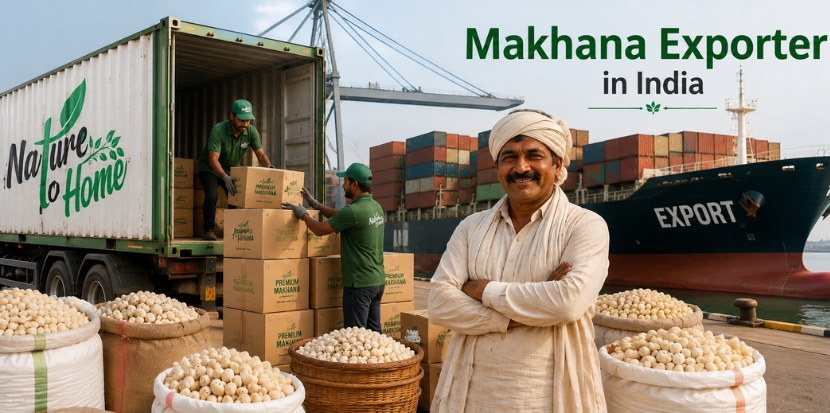
A Makhana exporter does everything a domestic supplier does, and then adds customs paperwork, international packaging standards, and compliance with the buyer's home-country food regulations on top of it. This is exactly where a lot of overseas buyers get caught off guard — a company that sounds confident selling within India may never have actually loaded a container for export.
Before assuming any supplier can export, it's worth confirming they're actually set up to handle:
The UAE and Gulf region, the United States, and parts of Southeast Asia currently drive the largest share of India's Makhana exports, mostly on the back of rising demand for gluten-free, plant-protein snacks. This isn't a passing trend either — it's tied to a broader global shift toward healthier snacking, and Makhana fits that positioning almost perfectly because of how it's naturally low in fat and high in protein.
| Region | Why Demand Is Rising |
|---|---|
| UAE & Gulf countries | Large Indian diaspora, well-established trade routes, and a fast-growing healthy-snack retail segment |
| United States | Fox nuts are increasingly marketed as a gluten-free, plant-protein snack in health-food retail chains |
| Southeast Asia | Growing curiosity around Indian superfoods and traditional snack ingredients |
| Europe | Still a niche market, but demand is picking up through specialty and organic food importers |
A typical Makhana export shipment needs an IEC number, a commercial invoice with a packing list, a Certificate of Origin, FSSAI export clearance, and in many cases a phytosanitary certificate. Missing even one of these is the single most common reason shipments get stuck at customs — either on the Indian side before departure, or at the destination port.
Requirements shift depending on the destination country, so it's always worth double-checking current rules with your exporter and customs broker before locking in an order.
Nature to Home Agro Private Limited exports Makhana straight from its manufacturing base in Saharsa, Bihar, backed by operational offices in Thailand and UAE that take care of regional logistics and buyer coordination. That setup means production stays rooted in India's core Makhana belt, while overseas buyers still get a local point of contact closer to home.
Export-grade Makhana packaging needs moisture-barrier sealing, labeling that matches the destination market's requirements, and container loading that can hold up over a multi-week sea-freight journey. Standard domestic packaging just isn't built for that kind of transit time, and moisture is really the main enemy here — the longer the journey, the more it matters.
Before finalizing any purchase, international buyers should confirm FSSAI export clearance, APEDA registration where it applies, and whether the exporter actually meets the food safety rules of the buyer's own country. Compliance gaps are far cheaper to catch before a shipment leaves India than after it's already sitting at a foreign port.
Worth confirming directly with the exporter:
The buyers who lose the most time and money on their first Makhana import usually trip up on three things: skipping the sample stage, leaving grading terms vague, and paying before verifying documentation. None of these are really about the product itself — they're process mistakes that an experienced exporter would normally flag before things go wrong.
Your email address will not be published. Required fields are marked *

Nature To Home Agro
Welcome to Nature To Home Agro, your trusted supplier of premium-quality Makhan (butter). With a commitment to freshness and authenticity, we deliver rich, creamy butter sourced from the finest dairy farms.


05 Nov 25
What are the benefits of eating makhana?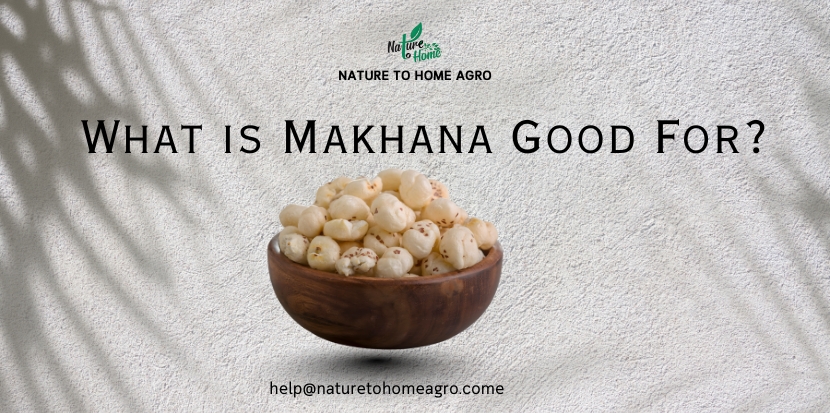
05 Nov 25
What is Makhana Good For?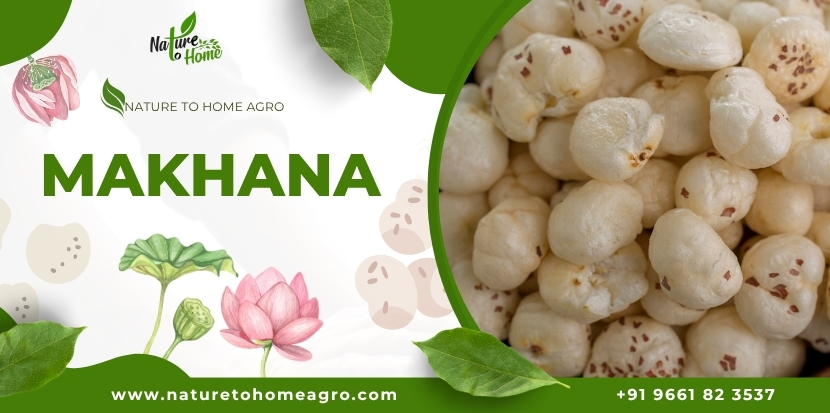
13 Oct 25
Makhana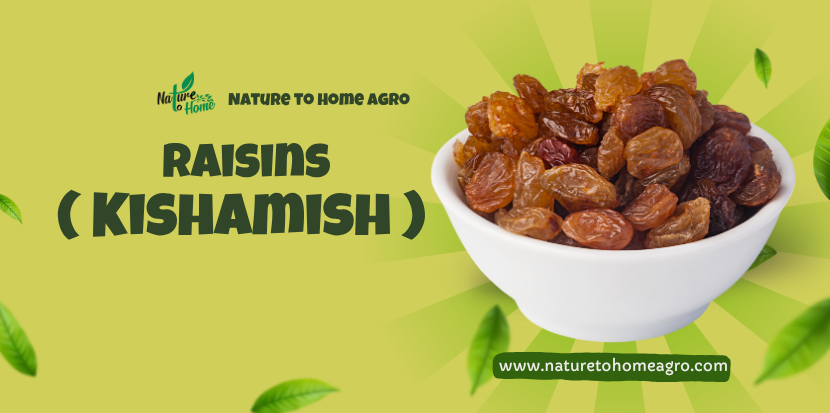
22 Sep 25
Raisins
22 Sep 25
Lotus Seeds
20 Sep 25
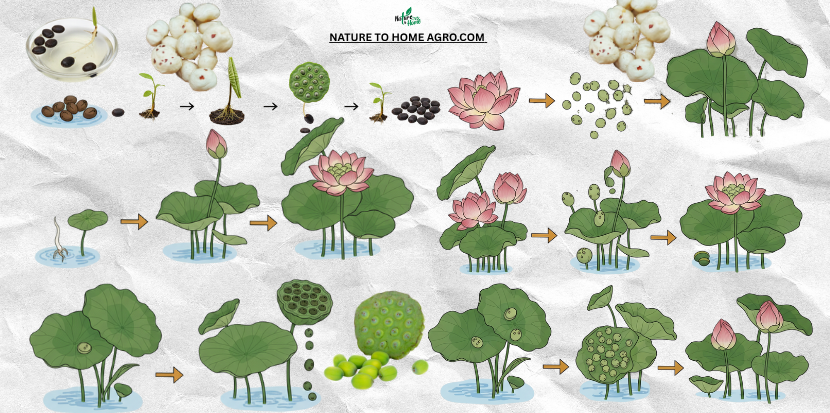
Makhana Lifecycle

17 Dec 24
Premium-quality cashew nuts
17 Dec 24
Fox Nuts (Makhana) - Premium Quality
17 Dec 24
Premium Cashews & Makhana Exporter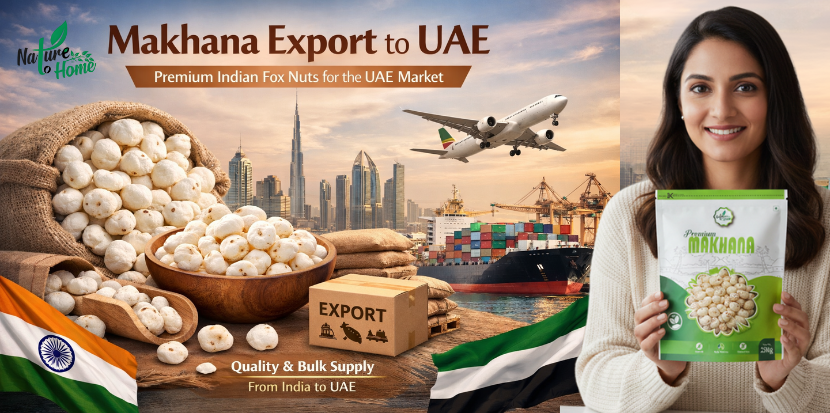
27 Jan 26
Makhana Export to UAE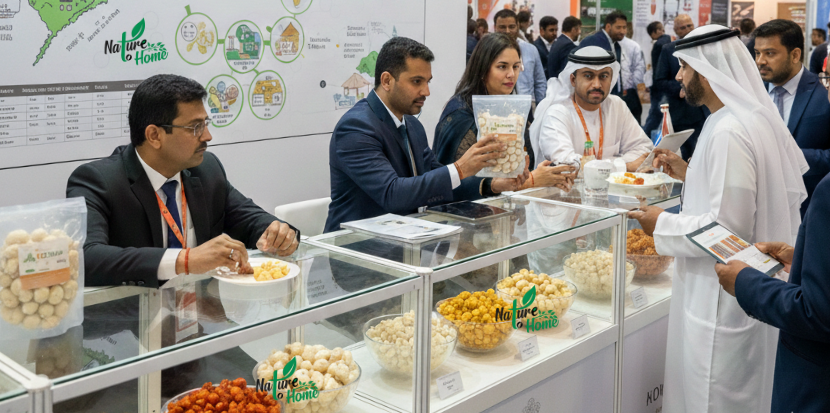
27 Jan 26
Fox Nuts Supplier UAE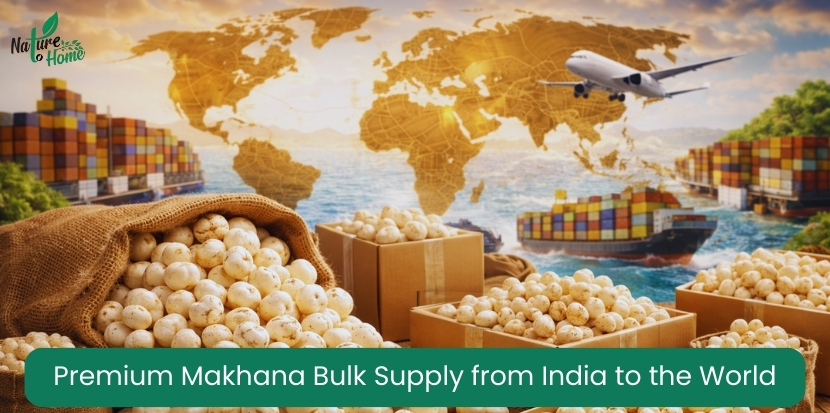

29 Apr 26
मखाना किसानों के लिए बड़ी सौगात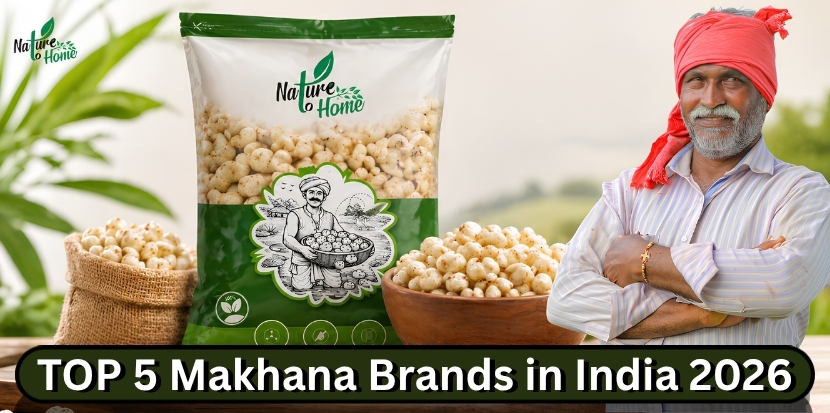
12 May 26
Top 5 Makhana Brands in India 2026
13 May 26
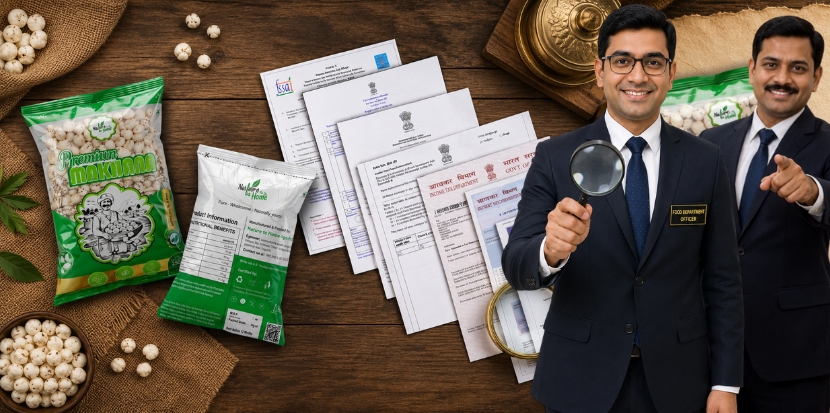
No.1 Best Makhana Company in India
04 Aug 26
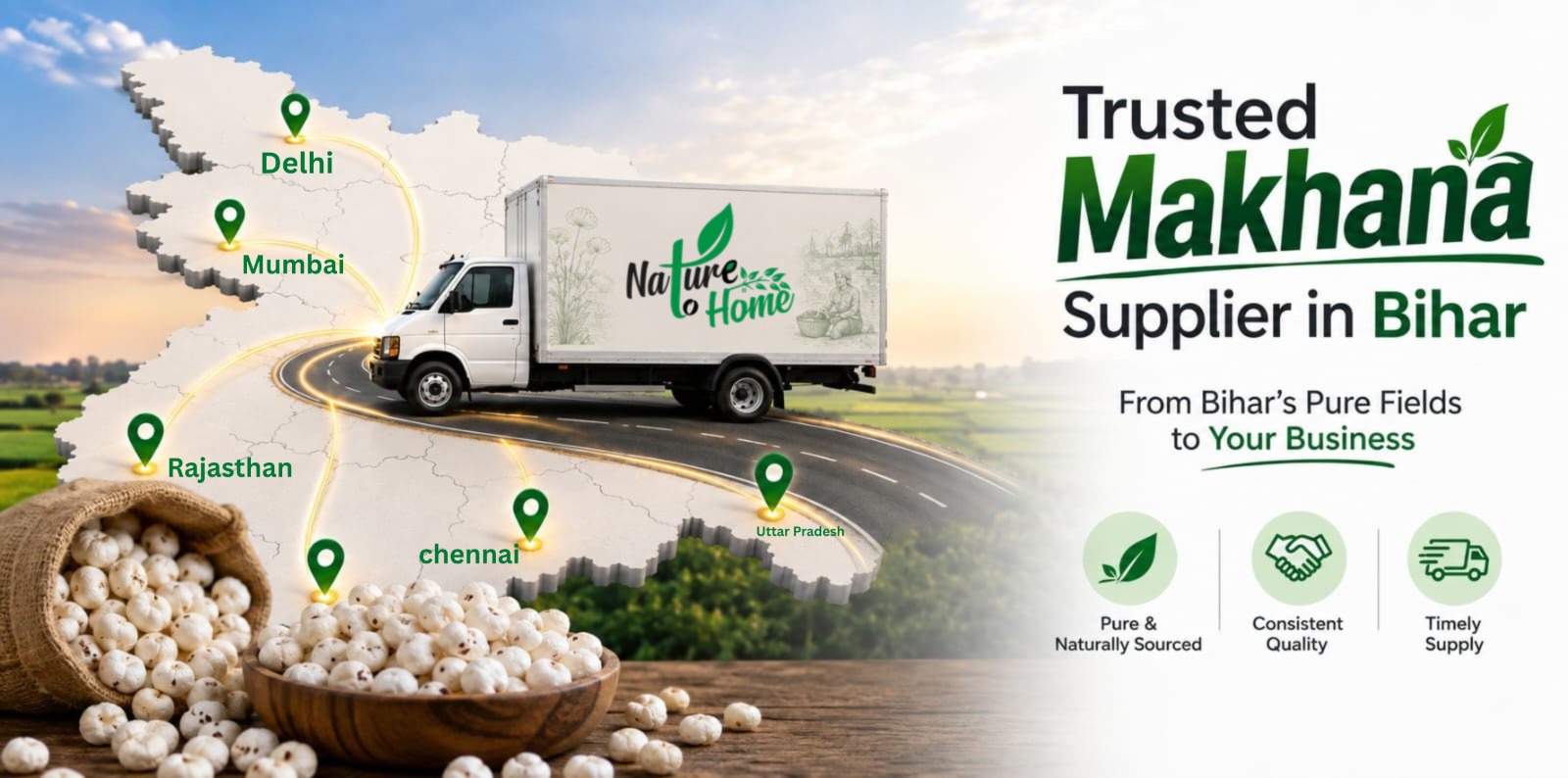
Makhana Supplier In Bihar 2026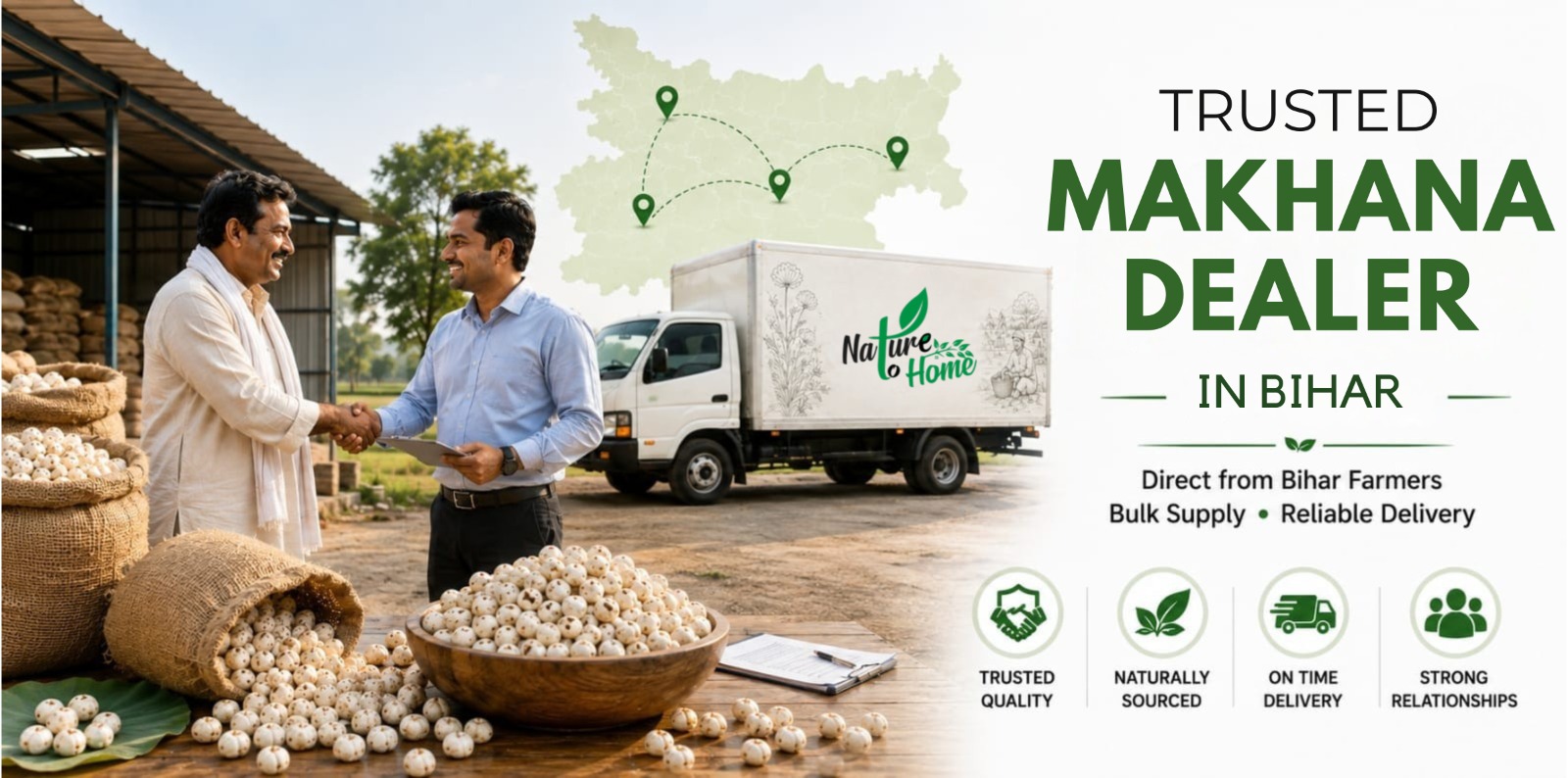
04 Aug 26
Makhana Dealer In Bihar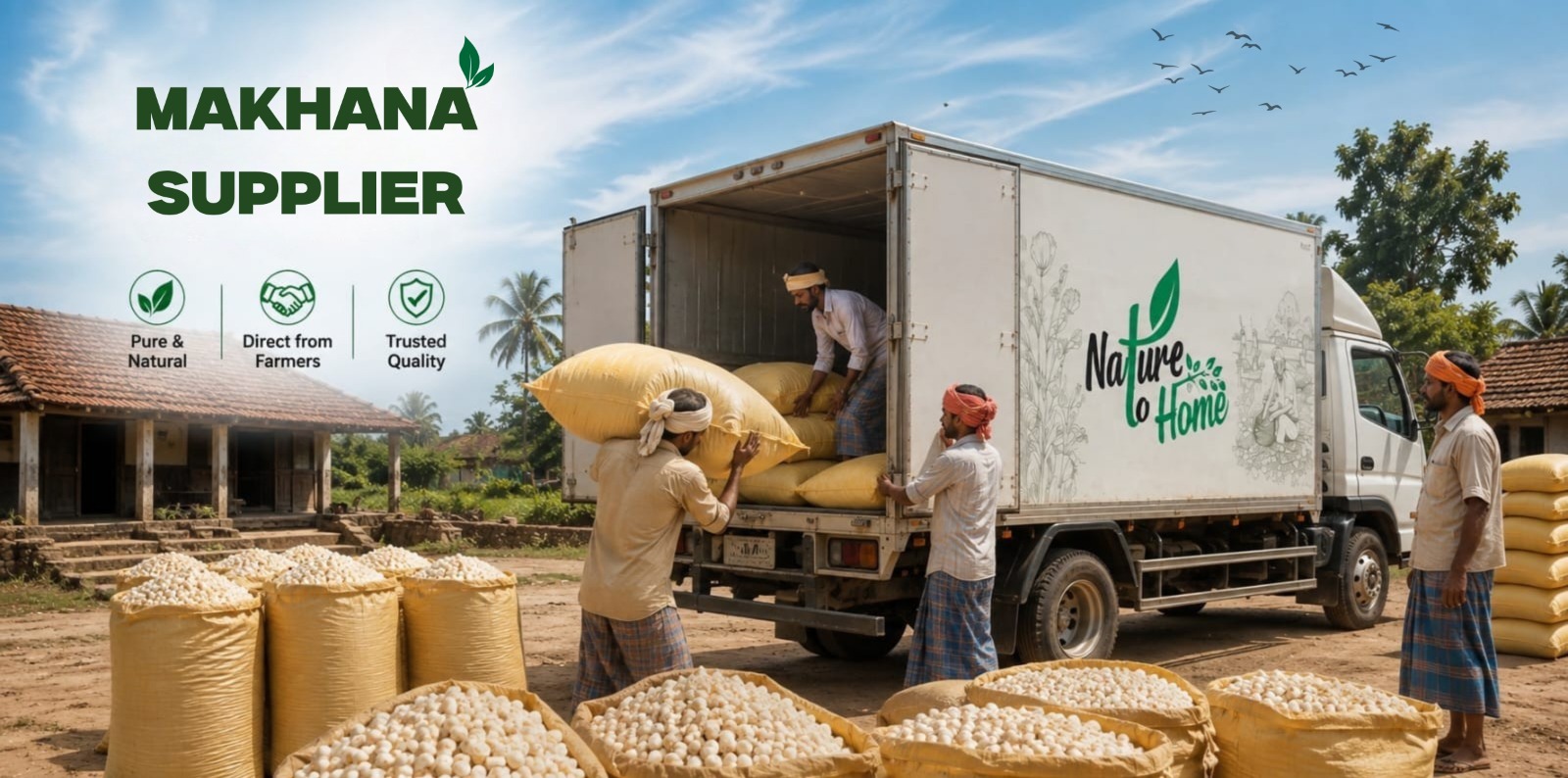
04 Aug 26
Makhana Supplier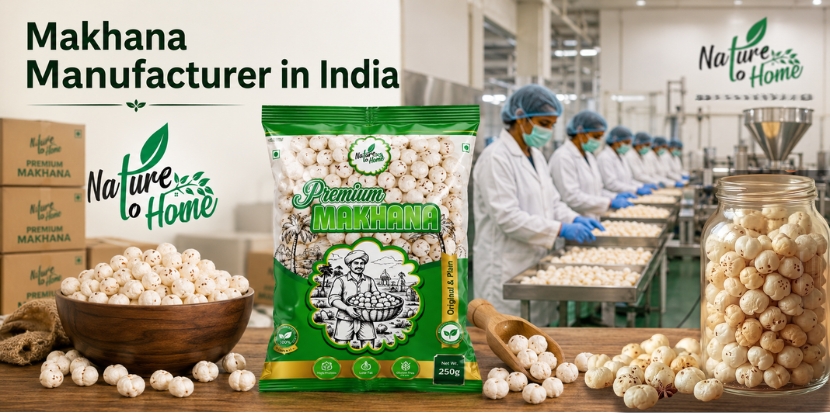
12 Aug 26
Manufactures Makhana in India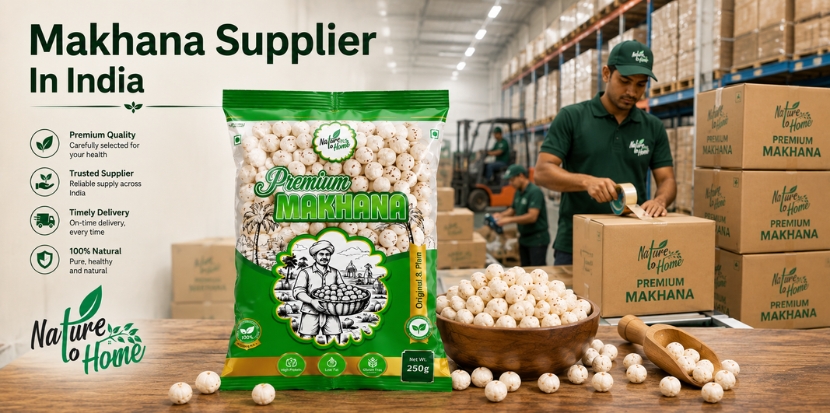
12 Aug 26
Makhana supplier in India
Wholesale Quality, Exclusive Pricing – Let’s Discuss!

Leave a Comment
July 29, 2024 at 7:35 am