Makhana Nutrition Facts – Nature To Home Agro Private Limited
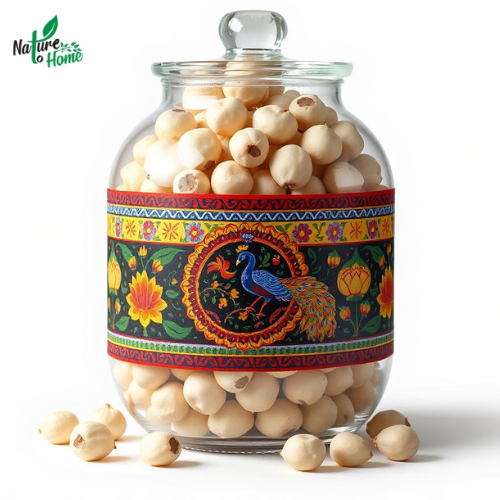
Makhana, also known as Fox Nuts, is a popular traditional food known for its nutritional value and versatility. Its combination of carbohydrates, plant-based protein, dietary fibre, and naturally occurring minerals makes it a suitable option for a variety of balanced eating patterns. Nature To Home Agro Private Limited sources Makhana from Bihar and focuses on careful processing, grading, and handling to maintain consistent product quality.
Please Note: The nutritional values below are approximate and based on commonly reported nutrition data for plain Makhana. Actual values may vary depending on variety, grade, moisture content, processing, and preparation method. For product-specific nutritional information, buyers should refer to the nutrition label or laboratory analysis of the relevant batch.
Why Makhana Is Considered a Nutritious Snack
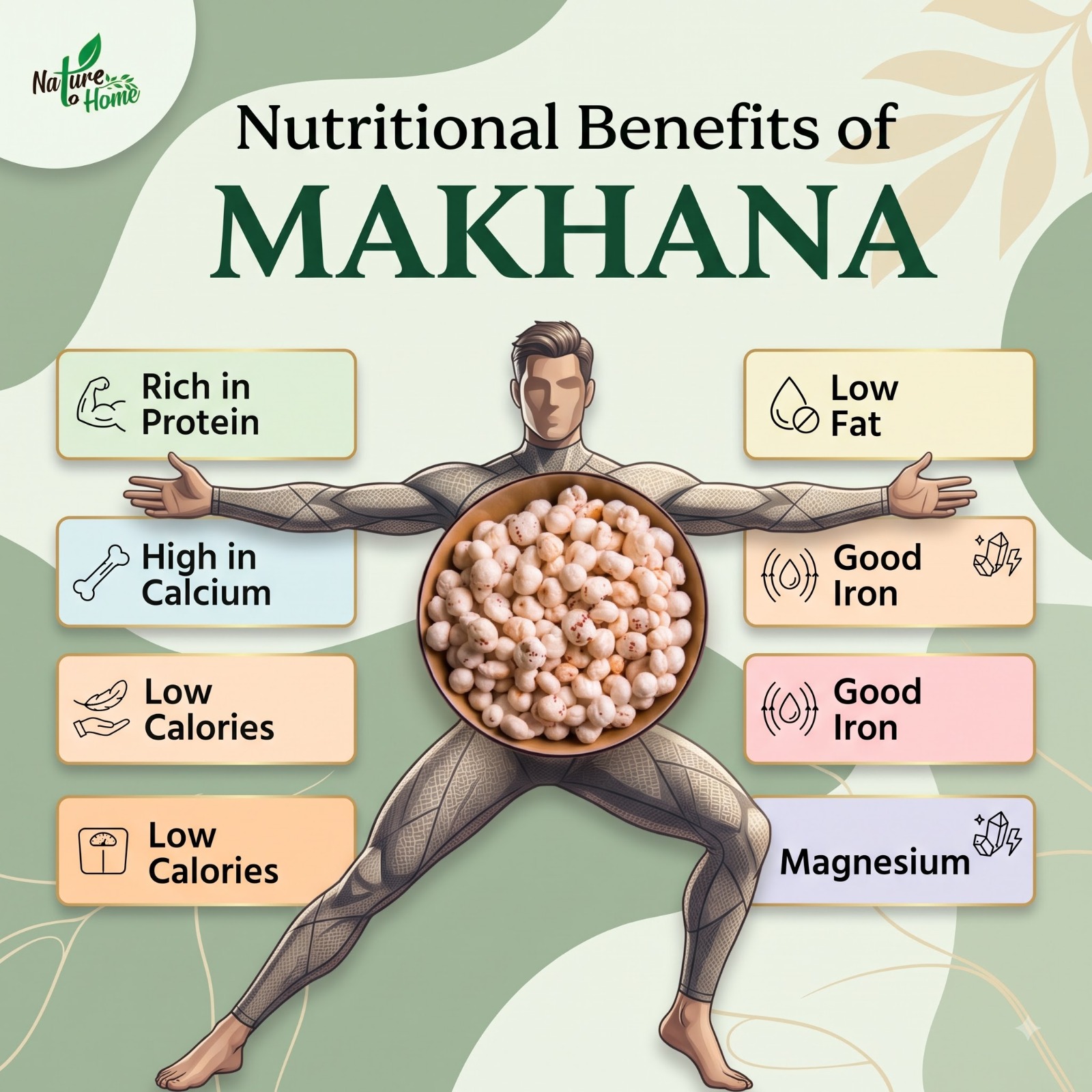
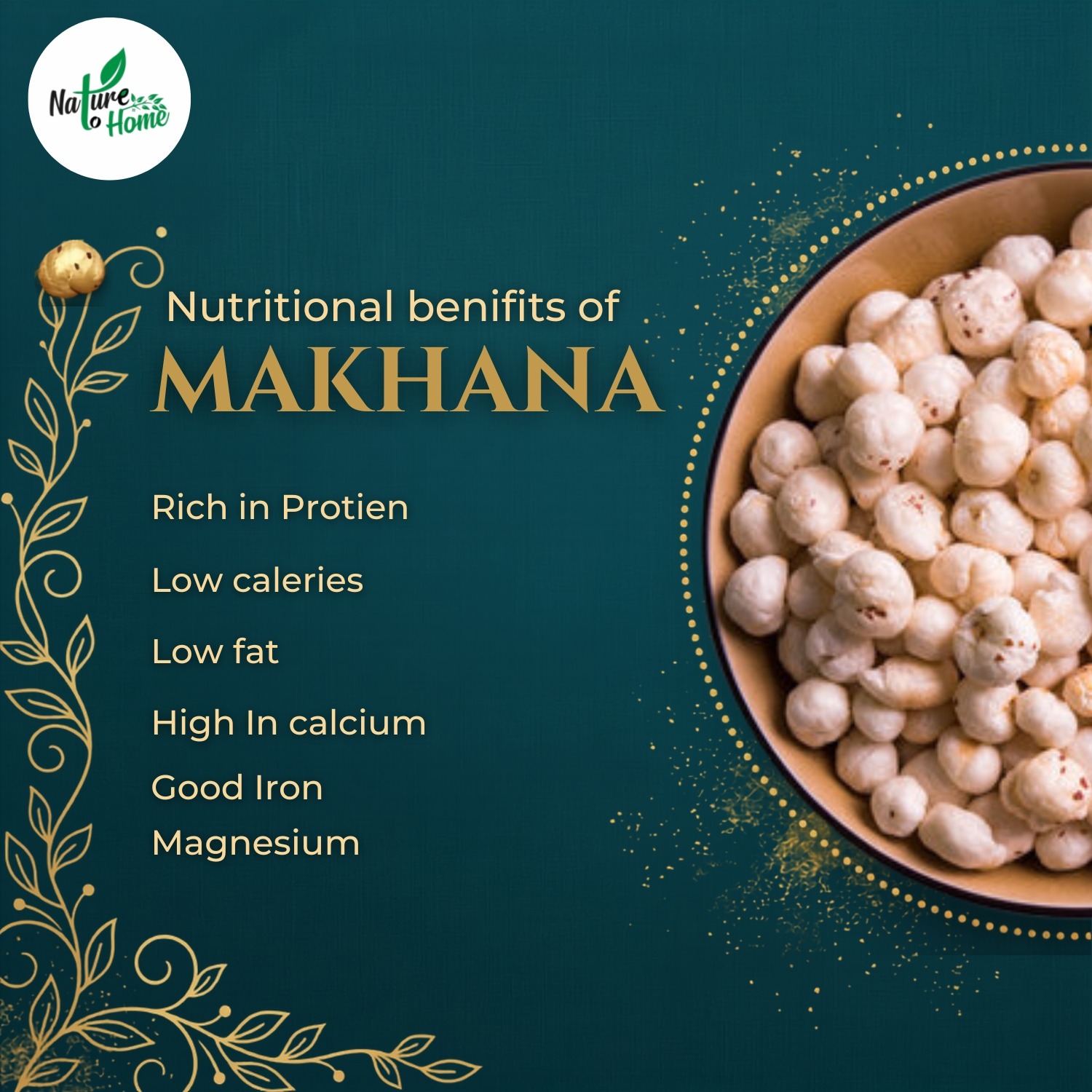
Makhana is naturally low in fat when consumed in its plain form and provides carbohydrates, protein, and dietary fibre. This nutritional profile makes it a practical alternative to many heavily fried or highly processed snack options. The final nutritional composition can change depending on how Makhana is roasted, seasoned, or prepared.
Makhana Nutrition Facts Per 100g
| Nutrient |
Approximate Amount per 100g |
| Energy |
Approximately 345–350 kcal |
| Protein |
Approximately 9–10 g |
| Total Fat |
Less than 1 g |
| Carbohydrates |
Approximately 76–78 g |
| Dietary Fibre |
Approximately 14 g |
| Calcium |
Approximately 60 mg |
| Iron |
Approximately 1.4 mg |
| Phosphorus |
Approximately 90 mg |
| Potassium |
Present naturally in Makhana |
| Magnesium |
Present naturally in Makhana |
| Sodium |
Naturally low in plain Makhana |
Understanding the Macronutrients in Makhana
- Protein: Makhana provides plant-based protein and can contribute to daily protein intake when included as part of a varied diet.
- Carbohydrates: Carbohydrates make up a significant portion of Makhana's nutritional profile and provide energy as part of a balanced diet.
- Fat: Plain Makhana is naturally low in fat. However, the fat content can increase when it is roasted or prepared with oil, ghee, butter, or other ingredients.
- Dietary Fibre: Makhana contains dietary fibre, which is an important component of a balanced diet and contributes to normal digestive function.
Key Vitamins and Minerals in Makhana
In addition to its macronutrient content, Makhana contains several naturally occurring minerals that contribute to its overall nutritional profile.
- Calcium: An essential mineral involved in maintaining normal bones and teeth.
- Iron: An important mineral involved in normal oxygen transport and several body functions.
- Phosphorus: A mineral that contributes to normal bones, teeth, and energy metabolism.
- Magnesium: Contributes to normal muscle and nerve function and several metabolic processes.
- Potassium: An essential mineral involved in normal muscle function and fluid balance.
Makhana Compared with Other Snack Options
Plain or dry-roasted Makhana can be a useful alternative to some heavily fried snack foods because of its naturally low fat content. Unlike snacks that absorb significant amounts of oil during deep frying, plain Makhana can be prepared with little or no added oil.
However, the nutritional profile of a Makhana snack depends on its preparation. Adding large amounts of oil, ghee, butter, salt, sugar, or flavouring ingredients can increase its overall calorie, fat, or sodium content.
Makhana and Blood Sugar Considerations
Makhana contains carbohydrates and dietary fibre and is commonly included in balanced diets by people who pay attention to their carbohydrate intake. However, individual blood sugar responses can vary based on portion size, preparation method, and the rest of the meal.
People managing diabetes or other blood sugar-related conditions should consider their healthcare professional's dietary recommendations before making significant changes to their diet.
How Processing Can Affect Makhana Nutrition
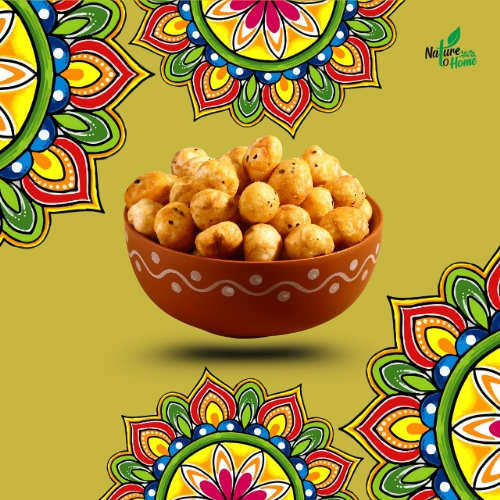
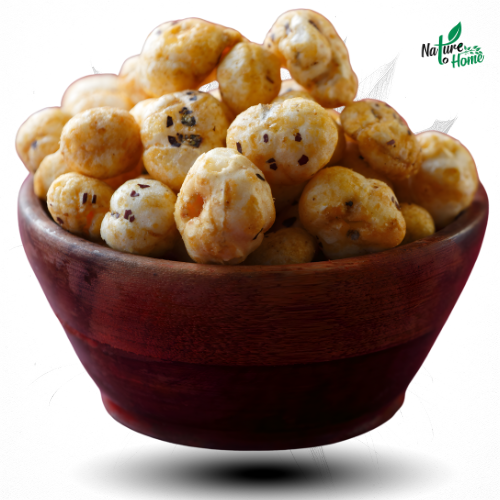
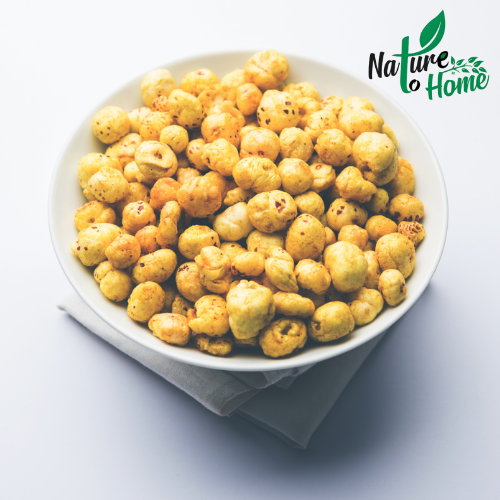
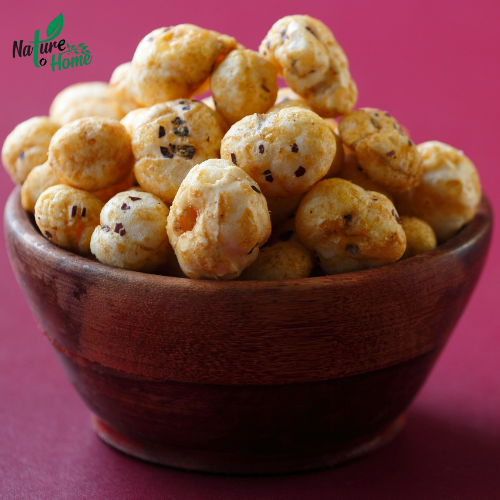
The nutritional composition of plain Makhana can differ from that of seasoned or flavoured products. Dry-roasted Makhana prepared without additional ingredients generally retains a different nutritional profile compared with Makhana prepared with oil, ghee, sugar, or salt.
Makhana grades are primarily classified according to kernel size and quality. Grades such as 3 Suta, 4 Suta, 5 Suta Premium, and 6+ Suta Premium can have broadly similar nutritional characteristics, although actual nutritional values may vary between products and batches.
Recommended Serving and Portion Considerations
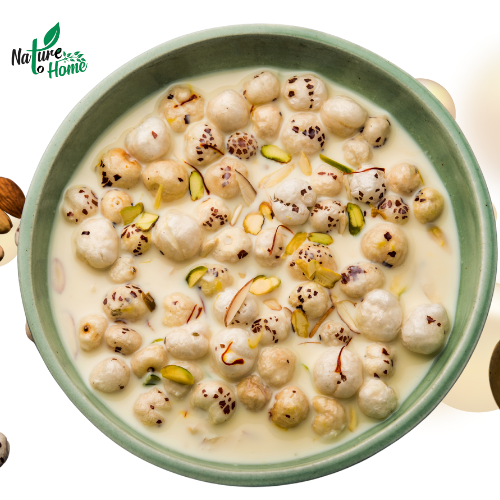
Makhana can be enjoyed as a snack or included in different recipes. As with other foods, portion size is an important consideration when managing overall calorie and nutrient intake. Plain or lightly roasted Makhana can be combined with nuts, seeds, yoghurt, or other foods to create a more varied snack.
Individual nutritional requirements differ based on age, lifestyle, dietary preferences, and health conditions. People with specific nutritional needs should seek advice from a qualified healthcare professional or nutritionist.
Why Sourcing and Processing Matter
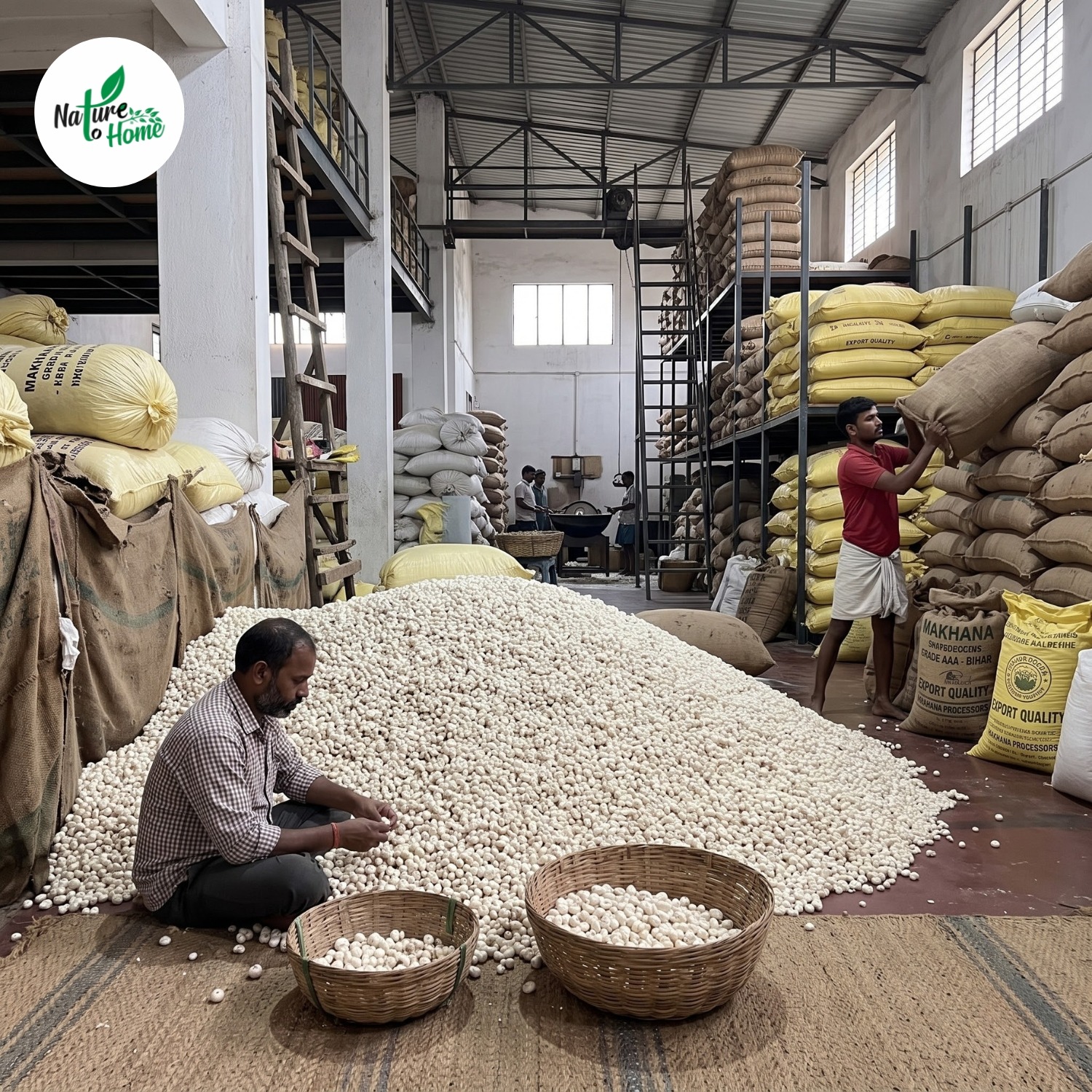
The quality and nutritional characteristics of Makhana can be influenced by factors such as sourcing, harvesting, drying, storage, grading, and processing. Consistent handling and appropriate storage are therefore important for maintaining product quality.
Nature To Home Agro Private Limited sources Makhana from Bihar and supplies different grades and formats for retail, wholesale, food processing, distribution, and export requirements. The company focuses on organised sourcing, grading, and product handling to support consistent supply across different business requirements.
Choosing Quality Makhana
When purchasing Makhana, buyers can consider factors such as freshness, cleanliness, size consistency, moisture condition, packaging, and overall product quality. For businesses, consistent grading and reliable supply are also important considerations when selecting a Makhana supplier.
Nature To Home Agro Private Limited offers Makhana in multiple grades, including 3 Suta, 4 Suta, 5 Suta Premium, and 6+ Suta Premium, to meet different retail, wholesale, and commercial requirements.
Makhana as Part of a Balanced Diet
Makhana can be a convenient addition to a balanced diet because of its combination of carbohydrates, protein, dietary fibre, and naturally occurring minerals. However, no single food provides all the nutrients required by the body. A varied diet containing different food groups remains important for overall nutrition.
Whether consumed as a simple roasted snack or used in traditional and modern recipes, choosing good-quality Makhana and keeping added ingredients such as oil, salt, and sugar moderate can help maintain a balanced nutritional profile.
Frequently Asked Questions About Makhana Nutrition
1. What nutrients are found in Makhana?
Makhana contains carbohydrates, plant-based protein, dietary fibre, and minerals such as calcium, iron, phosphorus, magnesium, and potassium.
2. How many calories are there in 100g of Makhana?
Plain Makhana is commonly reported to provide approximately 345–350 calories per 100g. Actual values can vary depending on the product and processing method.
3. Is Makhana high in protein?
Makhana provides approximately 9–10g of protein per 100g based on commonly reported nutritional data. It can contribute to daily protein intake as part of a varied diet.
4. Does Makhana contain dietary fibre?
Yes. Makhana contains dietary fibre and can contribute to daily fibre intake when included as part of a balanced diet.
5. Is plain Makhana low in fat?
Yes. Plain Makhana is naturally low in fat. However, its fat content can increase depending on the amount of oil, ghee, or other ingredients used during preparation.
6. Does Makhana contain calcium and iron?
Yes. Makhana naturally contains minerals including calcium and iron, although the exact amount can vary depending on the product, grade, and batch.
Disclaimer: The information provided on this page is intended for general nutritional and educational purposes. The nutrition values are approximate and should not be considered medical or personalised dietary advice. Nutritional requirements vary from person to person. Individuals with specific health conditions or dietary concerns should consult a qualified healthcare professional or registered nutritionist.











Have Questions? Ask Us!
Need More Details About This Product?